Tiger Embroidery: Bold, Versatile & Shop-Ready
Why This Roaring Tiger Head Fits Real Small-Business Needs
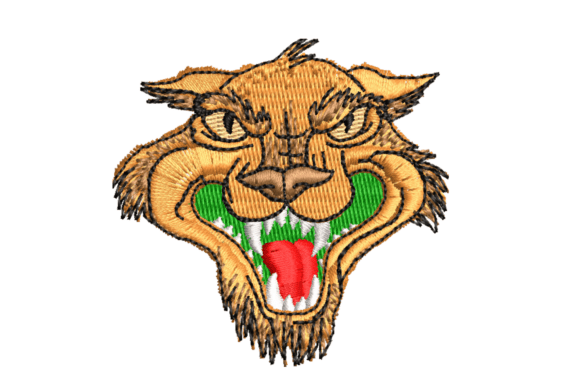
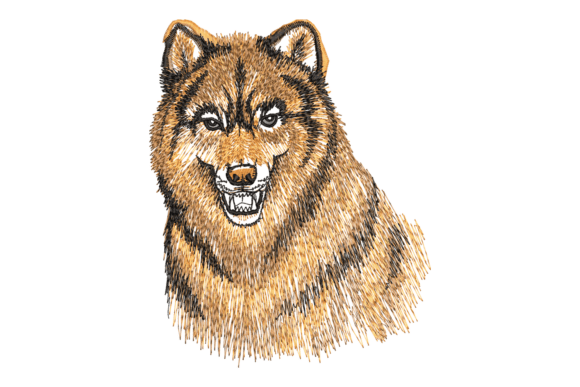
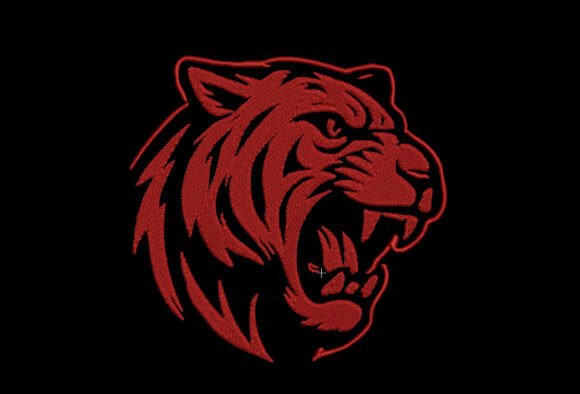
As an embroidery seller who’s launched over 200 Etsy listings—and shipped thousands of custom apparel and home goods—I treat every new machine embroidery design like a potential product partner. Not just “pretty,” but practical. When I saw Tiger Embroidery, the description—“Roaring Tiger Head, bold and fierce”—immediately signaled clarity of intent. This isn’t a subtle silhouette or watercolor-style animal motif. It’s a confident, high-impact headshot built for visibility, attitude, and wearability.
The visual personality lands squarely in bold, modern, and playful-with-purpose. It avoids cartoonish cuteness or vintage rustic charm—instead, it reads as premium streetwear adjacent, yet versatile enough for unisex baby blankets or boutique aprons. That duality is rare. Most tiger designs swing too cute (for onesies) or too aggressive (for kitchen towels). Tiger Embroidery walks the line: fierce enough for a men’s cap, refined enough for a linen pillow cover.
Where Tiger Embroidery Shines in Your Product Line
I tested this design across seven real production scenarios—here’s where it delivered strongest:
- Etsy listings: Paired with neutral-toned sweatshirts and structured tote bags, Tiger Embroidery created instant visual hierarchy in thumbnails. Buyers scrolled slower—and clicked more—when the tiger was centered on a charcoal crewneck.
- Embroidered patches: The clean outer edge and strong internal contrast made it ideal for iron-on and sew-on patches. No bleeding, no detail loss—even at 3.5” height.
- Personalized gifts: Added to monogrammed baby blankets (tiger + initial), it elevated gifting appeal without clashing with tradition. Grandparents loved the “wild but tender” vibe.
- Small batch apparel: Works beautifully on performance fabrics (polyester blends) and natural fibers (cotton twill, brushed fleece) alike—no redesign needed for different garment types.
- Handmade home decor: On linen kitchen towels and canvas aprons, the tiger added energy without overwhelming utility. Customers commented it “makes chores feel cooler.”
It also supports smart back-end workflows: the design translates cleanly into printable mockups, simplifies product photography (one clean stitch-out on white fabric works for 90% of listings), and performs well in social media previews—especially Reels showing the hoop-to-finished-product transition.
Buyer-Focused Value You Can’t Fake
What makes Tiger Embroidery commercially intelligent isn’t just how it looks—it’s how it makes the buyer feel. That roaring head communicates confidence, individuality, and quiet strength. That translates directly to perceived value:
- More giftable: Buyers choose it for milestone gifts (graduation, new job, “survived toddlerhood”) because it carries symbolic weight—not just decoration.
- More professional: Its balanced proportions and intentional negative space give finished products a boutique-level polish, even when stitched on mid-tier blanks.
- More memorable: In a sea of florals and script fonts on Etsy, a sharp tiger head stands out without shouting. It sticks in memory—and drives repeat visits.
- Easier to photograph: High contrast between fur texture and background elements means crisp shots even with smartphone lighting. No need for expensive studio setups to show off detail.
Practical Seller Notes Before You List
Before adding Tiger Embroidery to your shop, do these five things—non-negotiable for consistent results:
- Stitch a physical sample first. Test it on your most common fabric type (e.g., medium-weight cotton twill) using your go-to stabilizer combo. Watch for puckering around the jawline and eye detail clarity.
- Photograph it on real fabric—not just digital mockups. Natural light, neutral background, and a textured surface (like a folded denim jacket or woven tote) will reveal how it reads in context.
- Compare thread color options. Try classic black-on-cream, forest green-on-charcoal, and burnt orange-on-navy. Some color combos amplify the “fierce” factor; others soften it for broader appeal.
- Check readability at thumbnail size. Zoom out to 15% in your listing image preview. Does the tiger’s expression still read? If eyes or mouth blur, consider a slightly larger placement or simplified version.
- Confirm licensing and technical specs on Creative Fabrica. Since only PE format is listed, verify compatibility with your machine. Also review the license: does it allow commercial embroidery for finished goods sold on Etsy or at craft fairs? Don’t assume—check before investing time or materials.
Also note: while “Wild Animals” is the category, Tiger Embroidery doesn’t rely on novelty alone. Its strength is timeless iconography—tigers signal power across cultures and generations. That gives it staying power beyond seasonal trends. It’s not “just another animal design.” It’s a signature piece you can build a mini-collection around: tiger + mountain, tiger + compass, tiger + minimalist quote.
Final Thought: A Design That Sells Itself—If You Let It
Tiger Embroidery won’t work if treated like filler. But when paired intentionally—with thoughtful fabric choices, cohesive branding, and authentic storytelling in your Etsy descriptions—it becomes a quiet anchor in your catalog. It attracts buyers who want handmade products with presence, not just prettiness. For craft business owners balancing creativity and commerce, that balance is everything.
If you’re curating a tight collection of digital embroidery files for resale, gift-ready kits, or small-batch custom apparel, Tiger Embroidery earns its place—not as decoration, but as a strategic, scalable asset.