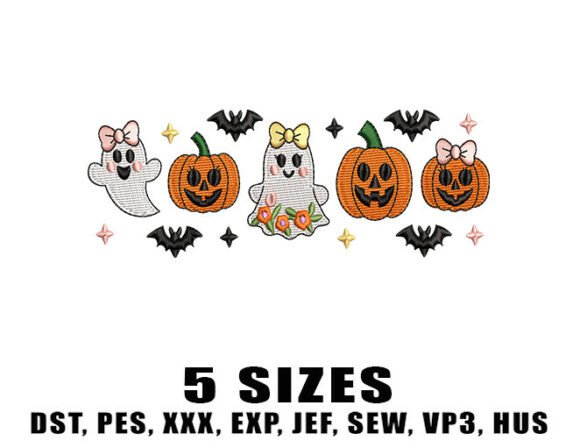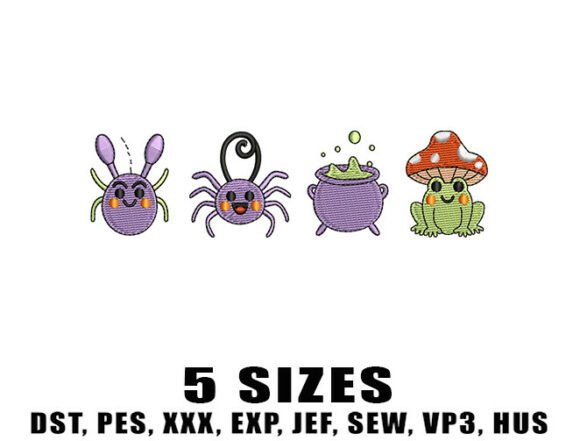
Spider Mushroom Bat Embroidery Design
First Impressions: Whimsy with Spooky Intent
As an embroidery designer who’s stitched for boutique brands from Portland to Belfast, my first glance at the Spider Mushroom Bat Embroidery Design landed right where it should—on mood. This isn’t horror-core or goth-grunge. It’s a soft-spoken Halloween whisper: playful, slightly surreal, and deeply intentional. The “Spooky Critters Set” framing tells me this was built for cohesion—not isolated motifs, but characters that converse across fabric. Spider, mushroom frog, cauldron, bat—all share a consistent line weight, rounded contours, and gentle negative space. That means when digitized well, the Spider Mushroom Bat Embroidery Design will hold its charm even at 3.8 inches on a child’s hoodie chest or scaled up cleanly for a back panel.
How It Lives on Sweatshirt Fabric
Sweatshirt embroidery is unforgiving. Too dense? Puckering. Too light? Vanishes into fleece texture. Here’s where the Spider Mushroom Bat Embroidery Design shines: its layout breathes. The critters aren’t stacked tightly—they’re arranged with implied movement (a bat mid-dive, a mushroom frog perched sideways), giving natural stitch flow and reducing thread buildup in tight corners. On neutral heather grey or oatmeal French terry, the design reads as artisanal—not graphic-print loud, but quietly confident. On charcoal or navy, it gains subtle drama without needing black-on-black thread tricks. And yes—it works beautifully on pastel sweatshirts too: think mint, lavender, or buttercream. A warm ecru thread palette lifts the whimsy; charcoal-grey thread deepens the spook just enough.
Boutique Placement & Styling Realities
For small shop owners building seasonal collections, placement is strategy. As a hoodie design, the Spider Mushroom Bat Embroidery Design excels at chest placement—centered just below the collarbone on oversized styles, or nestled in the upper left for asymmetry on cropped or boxy fits. It also translates elegantly to sleeve accents (think bat wing trailing down the cuff) or as a delicate back yoke motif. Because it’s part of a set, you can mix-and-match: spider on the front, mushroom frog on the pocket, bat on the sleeve—creating visual storytelling that builds brand recognition across your custom apparel line.
Thread Colors, Stitch Density & Stabilizer Strategy
This isn’t a high-stitch-count gothic crest—it’s a machine embroidery design calibrated for wearability. Moderate stitch density keeps it flexible on thick fabric, avoiding stiffness around shoulders or hoods. That said, check your digitization: if the mushroom cap or bat wing edges feel overly jagged in the embroidery file, request a refined version before bulk production. For sweatshirt embroidery, I recommend medium-weight cutaway stabilizer + light tear-away topping—especially for looped fleece. Why? To lock down those fine legs on the spider and preserve the frog’s textured gills without shadowing. Thread contrast matters most on dark fabric: matte rayon or premium polyester in moss green, burnt sienna, or slate blue gives depth without glare. Avoid neon unless your brand voice leans cartoon-bright.
Commercial Readiness: Does It Feel Like a Real Product?
Absolutely—if treated with intention. The Spider Mushroom Bat Embroidery Design avoids overcomplication, which is smart for commercial embroidery. No tiny floating elements that snag in washing. No micro-details lost at 4-inch scale. That makes it durable, wash-tested ready, and trustworthy for customers scrolling Etsy listings or browsing your Shopify store. When photographed on lifestyle mockups—think a cozy oversized hoodie draped over a vintage chair with dried florals nearby—the design reads as handmade, not mass-produced. It supports your small shop product narrative: limited drops, seasonal rhythm, tactile authenticity.
Brand Identity & Customer Connection
Halloween is emotional shorthand—and this design taps into nostalgia, curiosity, and gentle mischief. For a boutique brand, that’s gold. It doesn’t scream “Halloween costume”; it whispers “I love autumn walks, storybooks, and quiet magic.” That resonance builds repeat buyers. Parents buying for kids’ projects see versatility. Adults styling cozy layers see personality. Even non-Halloween shoppers pause—because it feels like art, not decoration. When your digital embroidery file delivers clean registration, balanced tension, and rich texture in the finished product, it elevates perceived value. Customers don’t just buy a sweatshirt—they invest in a moment, a feeling, a piece of your world.
What You Must Verify Before Production
- Hoop size compatibility: Confirm the largest size (4 inches) fits your standard embroidery hoop—especially if using multi-needle machines.
- File format: Ensure your embroidery file comes in your machine’s native format (.pes, .dst, .jef, etc.)—no conversion surprises mid-run.
- Stitch count range: While not provided, ask the seller for approximate counts per size. Under 8,000 stitches at 4 inches is ideal for sweatshirt flexibility.
- Licensing scope: Verify commercial use rights—especially if selling wholesale or bundling into kits.
- Design assets: Request vector artwork or PNGs for your printable mockup library, social banners, and packaging inserts.
Final Thought: A Design That Grows With Your Brand
The Spider Mushroom Bat Embroidery Design isn’t just seasonal filler. It’s a versatile, emotionally intelligent asset. Used thoughtfully—with attention to thread palette, stabilizer choice, and intentional placement—it becomes part of your brand’s visual language. Whether you're an Etsy seller launching your first Halloween drop, a local embroidery shop curating custom apparel for neighborhood boutiques, or a creative entrepreneur building a slow-fashion capsule collection, this design rewards care. It reminds us that great sweatshirt embroidery doesn’t shout—it invites. And in a crowded digital marketplace, invitation is everything.