Multi-Layered Autumnal Flower Embroidery Design
First Impression: Bold, Textured, and Unmistakably Seasonal
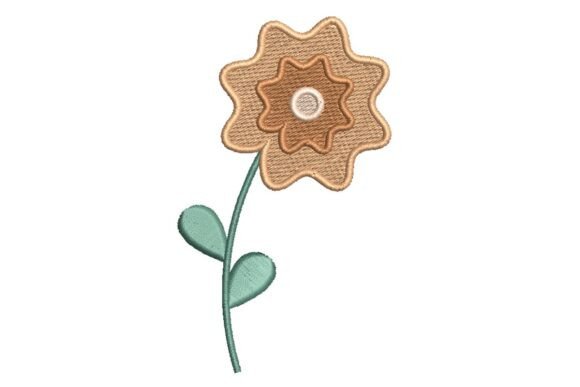
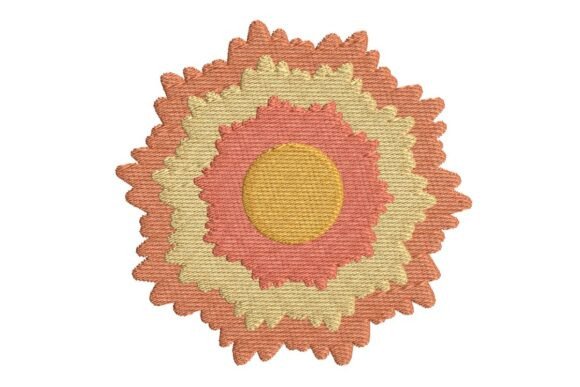
As an embroidery designer who’s prepped over 200 craft fair booths—and watched real customers pause, point, and reach for items in under three seconds—I can tell you this at a glance: Multi-Layered Autumnal Flower Embroidery Design reads as bold, rich, and intentionally textured—not dainty or generic. It lands somewhere between modern botanical and elevated farmhouse: warm but not cutesy, intricate but not fussy. That “textured golden-orange” outer layer? That’s your visual hook. It catches light differently than flat satin stitch, giving the design dimension before anyone even touches it. In a crowded market aisle full of minimalist monograms and tiny sprigs, this stands out with quiet confidence.
Where It Shines: Craft Fair Product Pairings That Convert
This isn’t a one-size-fits-all machine embroidery design—it’s a mood-setter. On a heavyweight cotton tote bag, centered just below the handle seam, it reads as premium handmade product. On a linen apron—especially one with natural slubs or oatmeal-toned fabric—it softens into elegant warmth without fading into the background. For tea towel embroidery, place it low on the hem: the layered petals echo the drape and fold of cloth, turning utility into art. As an embroidered patch? Absolutely. Stitch it onto denim jackets or canvas market bags—it holds up to wear while keeping its sculptural integrity.
It also works beautifully on small-format items where detail matters: a 4” x 4” fabric pouch, a pillow cover corner accent, or a structured cap front (if sized appropriately). But skip using it full-coverage on curved cap surfaces unless you’ve tested hoop clearance and stitch laydown—dense concentric layers don’t forgive distortion.
What Buyers Actually Notice—And Why It Sells
Craft fair shoppers don’t read descriptions. They scan. They feel. They imagine gifting it. Multi-Layered Autumnal Flower Embroidery Design delivers on all three: the color palette says “fall,” but not pumpkin-spice cliché; the layering implies craftsmanship; the shape feels intentional, not algorithm-generated. When stitched on a cream tea towel beside a bundle of dried lavender, it whispers “thoughtful gift.” On a black canvas tote? It pops like a jewel—ideal for Etsy seller listings needing scroll-stopping contrast.
For booth display strength, I recommend mounting one finished tote, one framed tea towel, and one unhooped patch on corkboard with visible thread tails. That subtle texture tells buyers this isn’t printed—it’s *stitched*. That perception lifts perceived value, supports higher price points, and reinforces handmade quality across your entire small shop product line.
Production Reality Check: Smart Scaling & Stitch Smarts
This design thrives at medium scale (3.5”–5.5”), where each petal layer retains distinction. Below 2.75”, fine details blur—tiny inner layers compress, losing the “multi-layered” effect that defines it. Above 6”, stitch density may require re-digitizing to avoid puckering on lightweight fabrics. Always test the embroidery file on scrap fabric matching your final product: a terry-textured tea towel demands heavier stabilizer than smooth cotton twill; dark fabric needs high-contrast thread colors (think burnt umber + cream, not black-on-charcoal).
Hoop size matters here. If your commercial embroidery machine uses a 5” hoop minimum, confirm the design fits comfortably inside—with at least ¼” margin—to prevent jump stitches or misalignment during batch production. And yes, check licensing: if you’re selling finished products (not just the digital embroidery file), ensure your purchase includes commercial embroidery rights. No exceptions.
Careful-Use Notes Every Designer Should Flag
- Avoid placing on highly textured towels where dense stitch areas may sink unevenly
- Don’t shrink below 2.5” — inner layers lose clarity and read as muddy blobs
- Test on dark fabric first: golden-orange thread needs luminosity, not absorption
- Curved surfaces (like caps or rounded pouches) demand careful hooping and possibly reduced density
- Thick fabrics (denim, canvas-backed patches) require cutaway stabilizer—not tear-away—to support layered stitch build-up
Why This Design Strengthens Your Brand—Not Just Your Booth
Consistency builds trust. When Multi-Layered Autumnal Flower Embroidery Design appears across your tote bags, tea towels, and patches—using the same thread palette and consistent placement—it signals intentionality. Customers begin to recognize your aesthetic before they see your logo. That’s brand consistency built through design assets, not branding decks.
For Etsy sellers, pair it with a printable mockup showing three realistic uses (apron, pouch, pillow cover). That visual storytelling boosts conversion more than any keyword-stuffed description. And for digital sellers? Position it as a versatile Shapes category anchor—ideal for seasonal collections, beginner-friendly layering practice, or upscale embroidery kits.
Final Designer Checklist Before You Cut Fabric
- Test stitch on scrap fabric matching your final product’s weight and texture
- Check thread contrast against both light and dark fabric swatches
- Review spacing between layers—tight gaps risk skipped stitches on older machines
- Confirm hoop size compatibility and available embroidery area
- Inspect stitch density in the center cluster—overcrowding causes tension issues
- Use appropriate stabilizer: cutaway for stretchy or heavy fabrics, tear-away for stable wovens
- Create at least one real-world mockup—not just a digital preview
- Compare how it photographs next to your other bestsellers (does it hold attention?)
- Verify commercial licensing covers your intended use—finished goods, not just files
Bottom line? Multi-Layered Autumnal Flower Embroidery Design isn’t just another floral motif. It’s a tactile, seasonal signature—one that balances complexity with wearability, elegance with approachability, and digital precision with handcrafted soul. Get it right, and it won’t just sell at your next craft fair. It’ll make people remember your booth long after the weekend ends.