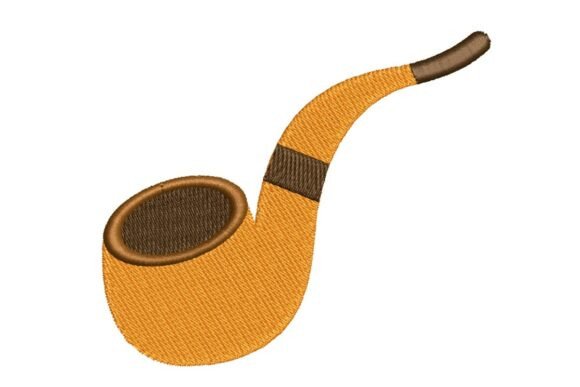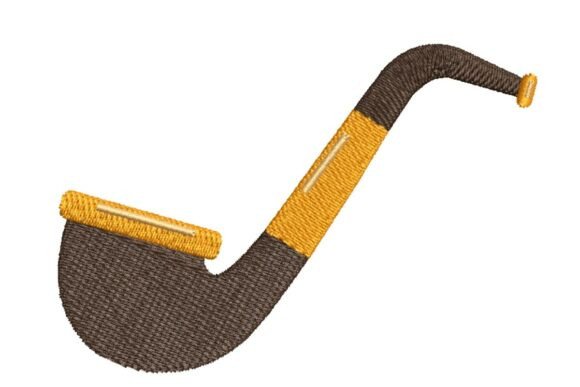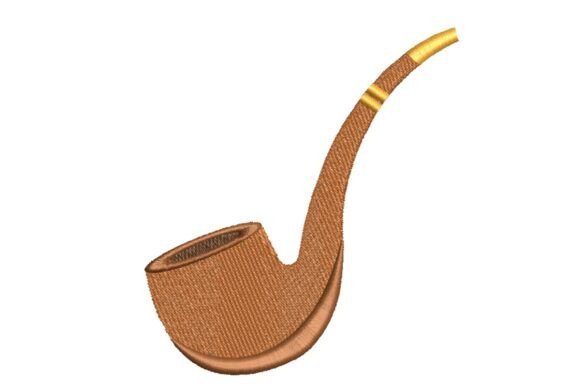
Classic Wooden Smoking Pipe Embroidery Design
A Seasonal Designer’s First Impression
As an embroidery designer who’s built dozens of holiday collections for Etsy sellers, craft fairs, and small-batch apparel brands, my first glance at the Classic Wooden Smoking Pipe Embroidery Design lands with quiet confidence. It doesn’t shout—it leans in. The stylized curve of the pipe, its balanced bowl-to-stem ratio, and the subtle grain-like texture suggest warmth, tradition, and quiet sophistication. This isn’t a cartoon or novelty motif; it’s a seasonal embroidery piece that reads as nostalgic yet timeless—evoking woodsmoke on crisp autumn evenings, leather-bound books by the hearth, and handwritten notes tucked into holiday gift boxes. Its emotional tone is grounded: cozy, respectful, and gently masculine—making it a natural fit for the Father category without leaning into cliché.
Where It Shines in Holiday Product Development
The Classic Wooden Smoking Pipe Embroidery Design thrives where authenticity meets intentionality. On heavyweight cotton sweatshirts or brushed fleece jackets, it reads as premium handmade gift material—ideal for “Dad’s Cozy Collection” bundles sold November through January. As a tote bag design, it pairs beautifully with vintage-style typography (“Est. 1972” or “Pipe & Patience”) for craft fair displays. For kitchen towel embroidery, its clean silhouette holds up against flour-dusted countertops and steaming mugs—especially when stitched in deep olive, charcoal, or burnt umber thread colors. On linen pillow covers or embroidered patch applications, it adds tactile elegance to home decor drops. And yes—it works surprisingly well on minimalist ornaments and table linens when scaled thoughtfully, reinforcing brand consistency across a seasonal line.
Real-World Selling Strengths
- Etsy listings benefit from its strong visual recognition—shoppers scanning for “dad gifts” or “rustic holiday decor” instantly decode its mood and audience.
- In social media previews, it photographs cleanly against neutral backdrops, making printable mockups quick to produce and highly shareable.
- For limited edition apparel, pairing it with tonal thread on oatmeal canvas or navy twill elevates perceived value—no extra embellishment needed.
- It supports personalized gift storytelling: imagine it stitched beside a monogrammed initial on a flannel shirt cuff or baby blanket corner (with age-appropriate context noted).
- At craft fairs, its restrained elegance helps small shop products stand out amid busier, trend-driven designs—building customer trust through consistency and craftsmanship.
Use With Intention: Key Considerations
This machine embroidery design rewards thoughtful execution—and signals where caution is wise. Avoid placing it on curved caps or stretchy performance fabrics without testing stabilizer combinations first; the stem’s length can distort if tension isn’t dialed in. On thick towels or terry cloth, confirm stitch density allows for full coverage without puckering—lighter fill areas may need underlay reinforcement. Tiny hoop sizes (under 4”) risk losing definition in the bowl’s contour, so always review small details after stitching. Metallic thread? Possible—but only with reduced speed and stabilizer designed for reflective fibers. And while it reads beautifully on dark fabric, test thread colors on both light and dark substrates: a warm taupe may glow on cream but disappear on black unless contrast is intentionally built in.
Design Notes Every Embroidery Professional Should Apply
- Test thread colors on your target fabric types—not just swatches—before finalizing seasonal product mockups.
- Verify hoop size compatibility early; this design’s proportions favor 5x7” or larger hoops for optimal clarity.
- Choose stabilizer based on fabric texture: cutaway for knits, tear-away for stable wovens, and fusible + tear-away for linens.
- Create realistic mockups using actual garment photos—not just flat templates—to assess scale and placement on sweatshirt fronts, tote bag corners, or pillow cover centers.
- Review small details post-stitch: ensure the mouthpiece taper and bowl rim remain crisp, not blurred by excessive density or thread buildup.
- Plan cohesive color palettes across your collection—e.g., earthy tones for fall, deeper charcoals and creams for winter gifting.
- Confirm commercial licensing status before selling finished seasonal products—especially for digital embroidery file resellers or subscription-based shops.
Why It Belongs in Your Holiday Lineup
The Classic Wooden Smoking Pipe Embroidery Design doesn’t chase trends—it anchors them. In a season flooded with glitter, slogans, and overdesigned motifs, it offers breathing room. That translates directly to buyer emotion: calm confidence, not cluttered urgency. It increases giftability by feeling personal without requiring customization—yet still welcomes initials or dates as subtle upgrades. Its visual recognition builds repeat engagement: customers remember the shape, associate it with quality, and return for matching items year after year. For apparel decorators and handmade gift makers, it’s a versatile anchor piece—one that supports storytelling, scales across product categories, and quietly reinforces brand maturity during high-stakes holiday shopping periods.
Final Thought for Small Business Creators
If you’re curating a seasonal embroidery collection for dads, collectors, baristas, book lovers, or anyone who values understated character—you’ll find the Classic Wooden Smoking Pipe Embroidery Design earns its place not through flash, but through fidelity. Fidelity to craft. To audience. To the quiet joy of a well-made, meaningful detail. Use it with care, test it thoroughly, and let it do what elegant design does best: speak clearly, hold space, and leave room for the person wearing or gifting it to finish the story.